Why Executive Functioning Skills Matter More Than Grades in Today’s World
For decades, grades have been used as the main measure of success for students. Good grades meant you were “doing well.” Bad grades meant you needed help. But in today’s world, grades alone no longer predict real-life success.
What truly determines whether a young person thrives in school, work, and adulthood is something far more powerful: executive functioning skills.
Executive functioning skills shape behavior, decision-making, emotional control, and independence. They are the invisible skills behind showing up on time, completing tasks, managing emotions, and adapting to real-world expectations. And increasingly, schools, employers, and families are realizing that these skills matter more than grades ever did.
What Are Executive Functioning Skills?
Executive functioning skills are the mental processes that help individuals manage their behavior, thoughts, and actions. These skills allow a person to plan, focus, remember instructions, regulate emotions, and complete tasks successfully.\
Some core executive functioning skills include:
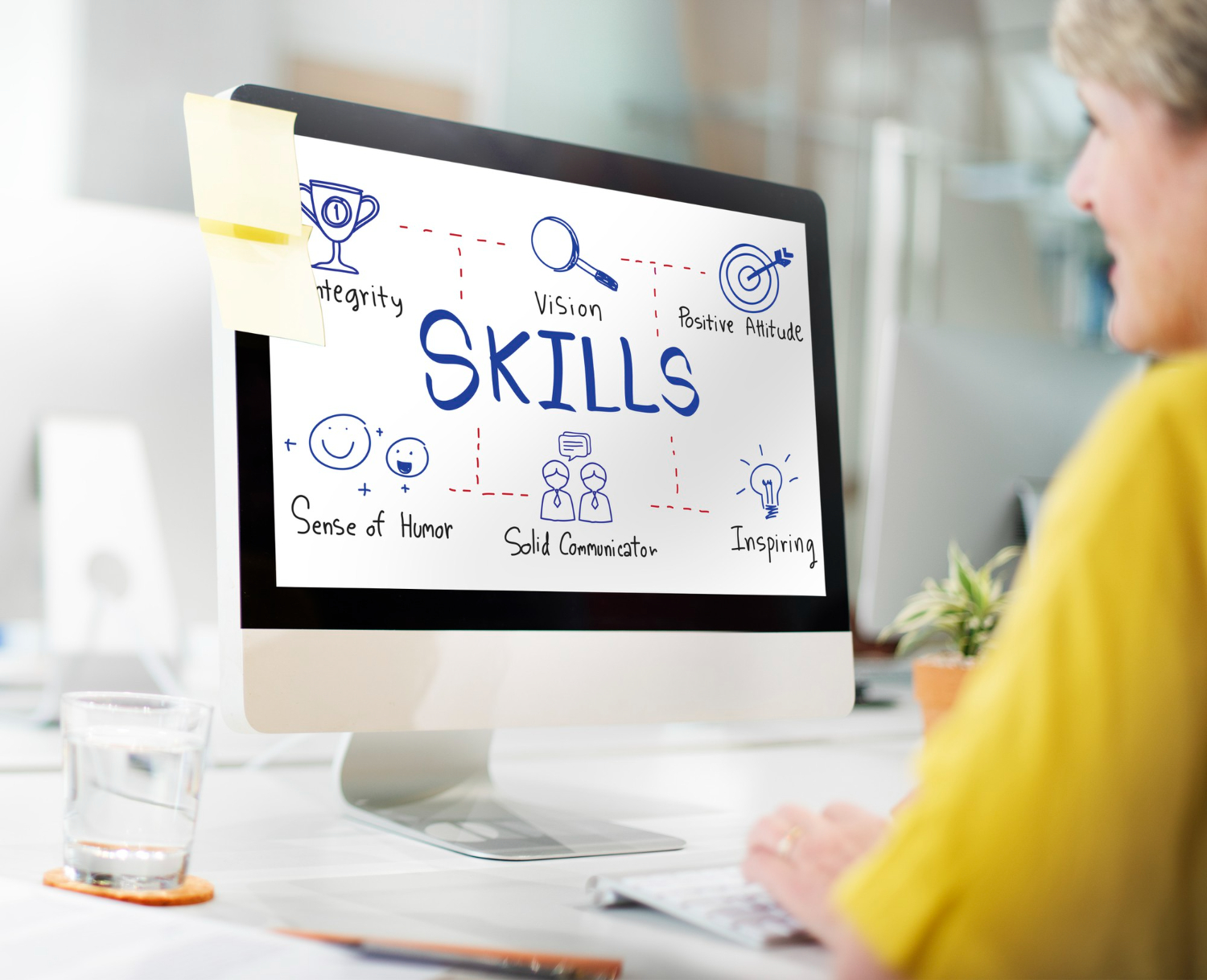
Planning and organization
Time management
Emotional regulation
Impulse control
Task initiation and completion
Problem-solving
Adaptability and flexibility
When these skills are strong, students can manage responsibilities and transitions with confidence. When they are weak, even highly intelligent students may struggle academically, socially, or professionally.
Why Grades Are No Longer Enough
Grades measure academic performance, but they do not measure behavior, resilience, or real-world readiness.
A student can earn high grades and still struggle with:
Managing deadlines
Handling feedback
Regulating emotions
Communicating needs
Working independently
Navigating workplace expectations
Meanwhile, a student with average grades but strong executive functioning skills may excel in adulthood because they can adapt, self-regulate, and problem-solve in real situations.
Employers today consistently report that behavioral skills and workplace readiness matter more than technical knowledge. The ability to manage time, communicate effectively, and take responsibility is often what separates success from failure.
Executive Functioning and Behavior Go Hand in Hand
Executive functioning skills directly shape behavior. When these skills are underdeveloped, behavior challenges often appear — not because a student “doesn’t care,” but because they lack the tools to manage expectations.
For example:
Difficulty starting tasks may look like laziness
Poor emotional regulation may appear as defiance or frustration
Weak impulse control may be mistaken for disrespect
Disorganization may be viewed as irresponsibility
In reality, these are skill gaps — not character flaws.
SkillTime focuses on addressing these gaps by teaching executive functioning as learnable, trainable life skills, not punishable behaviors.
The Connection Between Executive Functioning and Workplace Readiness
Workplace readiness is one of the fastest-growing priorities for youth development programs — and executive functioning is at the core of it.
In real work environments, individuals are expected to:
Follow schedules
Manage competing priorities
Communicate professionally
Handle feedback without shutting down
Adapt to change
Work independently and with teams
These expectations rely heavily on executive functioning and self-regulation — not academic performance.
That’s why many young people struggle during their first jobs, internships, or transition programs. They were taught how to pass tests, but not how to manage themselves.
Why Executive Functioning Skills Are Critical for Teens and Young Adults
Adolescence and early adulthood are periods of massive brain development, especially in areas responsible for executive functioning. This means these skills can be strengthened — with the right support and training.
When teens learn executive functioning skills early, they gain:
Increased confidence
Better emotional control
Stronger decision-making
Greater independence
Improved communication
Long-term success in work and life
Without these skills, many young people experience repeated frustration, anxiety, and self-doubt — even when they are capable and intelligent.
How SkillTime Teaches Executive Functioning Differently
SkillTime focuses on behavior-based, real-world skill development. Instead of abstract lessons, students learn executive functioning through practical, relatable experiences.
SkillTime programs emphasize:
Self-regulation strategies
Real-life scenarios (school, work, home)
Communication and accountability
Problem-solving and adaptability
Building independence step by step
The goal isn’t perfection — it’s progress, confidence, and readiness.
By teaching executive functioning alongside life skills training, SkillTime helps students bridge the gap between academic learning and real-world success.
The Future of Education Is Skill-Based, Not Grade-Based
As we move further into 2025 and beyond, education and workforce development are shifting. Schools, employers, and families are recognizing that behavioral readiness, emotional intelligence, and executive functioning skills are essential.
Grades may open doors, but executive functioning skills determine whether someone can walk through them — and stay inside.
👉 Book a Routine-Building Consultation
Get a personalized ADHD-friendly routine for your child.
Start Today →